Introduction
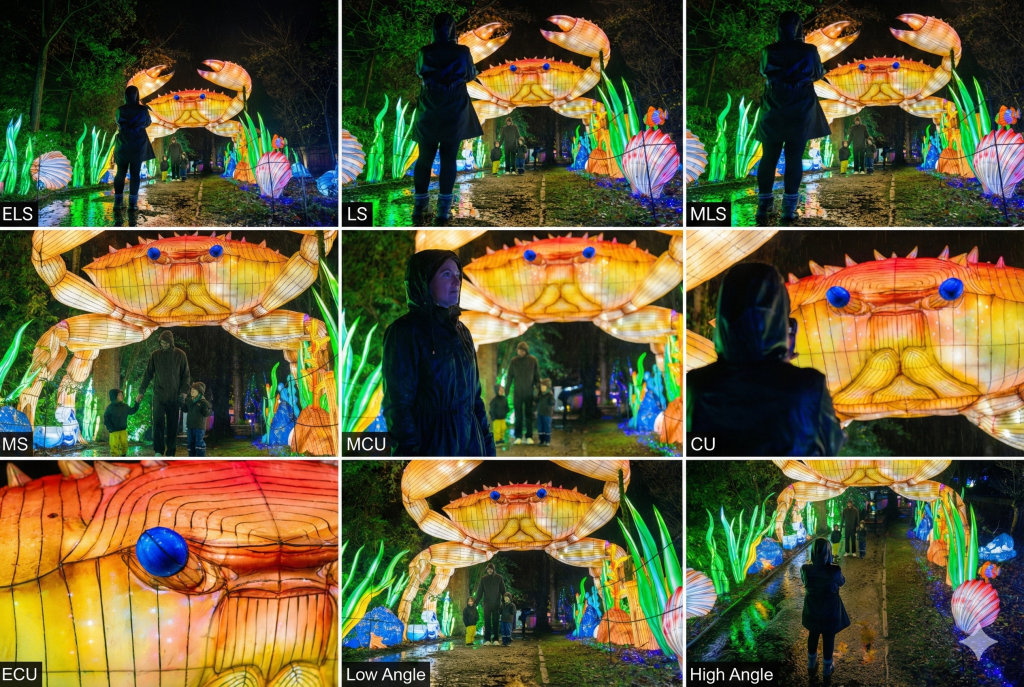
Explore how daytime gardens can transform into captivating nighttime experiences through lantern festivals. This article delves into how extending operating hours can provide immersive art experiences, encouraging visitors to engage with gardens in a whole new light.
The Attraction of Lantern Festivals
Lantern festivals have a storied history, originating in Asia, and have become globally renowned for their artistic and cultural significance. These festivals present gardens with a unique opportunity to extend operating hours while enriching cultural exchange and community engagement.
Lantern festivals offer more than just aesthetic pleasure. By incorporating elements of history, mythology, and folklore, these events create an atmosphere where visitors can learn while wandering through beautifully illuminated paths. For gardens, this means a chance to provide educational content in an engaging manner that attracts diverse audiences, including families, art enthusiasts, and cultural tourists.
Additionally, lantern festivals can be designed to feature locally crafted lanterns, giving a platform to local artisans and integrating regional artistic styles into the broader festival theme. This not only supports local talent but also draws visitors interested in unique, region-specific artistic expressions.
Economic and Cultural Benefits
Beyond cultural immersion, lantern festivals significantly contribute to the economic sustainability of gardens. By extending operating hours, gardens create additional revenue streams through ticket sales, food and beverage options, and merchandising related to festival themes.
- Increased ticket sales due to nighttime accessibility.
- Opportunities to showcase local cuisine and crafts at event stalls.
- Special partnerships with local businesses for promotional deals and collaborative events.
Moreover, these festivals encourage repeat visits, with many guests returning not just for the stunning visuals, but to experience different thematic spectacles throughout the festival’s duration. Such recurring attendance can strengthen a garden’s community ties and elevate its profile as a cultural hub.
Challenges and Considerations
Implementing a successful lantern festival requires strategic planning and resources. Considerations such as safety, environmental impact, and logistical details are critical for a seamless execution. Ensuring paths are well-lit not only maintains visitor safety but also enhances the appearance of the garden.
Sustainability should also be a core consideration. Opting for eco-friendly materials in lantern construction and implementing recycling initiatives during the event can minimize environmental footprints.
Moreover, marketing these events to reach wider audiences while retaining the authenticity of the cultural narratives depicted through the lanterns is crucial. Collaborating with cultural experts and using multi-platform marketing strategies can be effective in achieving this balance.
Conclusion
By extending operating hours with lantern festivals, gardens can transform into vibrant nighttime art spaces that captivate diverse audiences. These festivals not only extend the visitor experience beyond daylight hours but also boost economic viability and facilitate cultural exchange. By carefully strategizing their implementation, gardens can enrich both their community presence and their financial sustainability.